
사이트 로그인
사이트 로그인
경골상강/Superclass Osteichthyes(bony fishes)→조기강/Class Actinopterygii(ray-finned fishes)→바다빙어목/Order Osmeriformes(smelts)→뱅어과 Family Salangidae 뱅어과 Family Salangidae(Icefishes or noodlefishes). Family 172~2 뱅어류(Icefishes)는 수명이 1년 밖에 안되며 번식력이 매우 강하고 빨리 성숙된다. 일부 종은 한 평생 같은 환경에서만 살며 어떤 종은 알을 낳으러 강이나 기수 또는 쇄파가 이는 해변으로 간다. 뱅어(학명; Salangichthys microdon) 같은 일부 종은 한 장소에서만 사는 개체군이 있고 알 낳으러 이동하는 소하성 개체군도 있다. 뱅어류는 동아시아에서 중요한 수산물이며 말려서 먹거나 익혀서 먹는다. 남 유럽에 수출되는데 이곳에서 값이 비싼 투명 망둑어의 대체품으로 팔린다. 이 투명 망둑어는 지중해 지방에서 맛있는 요리로 알려져 있다.식품으로 가치가 높기 때문에 뱅어류가 나지 않는 지역에서 이식하려는 노력이 있어왔다. 노력이 대부분 실패했으나 몇 군데에서는 성공했으며 어떤 곳에서는 너무 빨리 번식하는 바람에 그 지방의 흔한 물고기가 되었다. 뱅어류는 플랑크톤 갑각류와 작은 물고기를 먹는다. 이입된 일부 지방에서는 생존경쟁에서 우월하여 캉글랑 망둑어(Kanglang fish/학명; Anabarilius graham) 같은 토착 어종을 멸종위기로 몰아넣기도 한다. 뱅어과 20종 명단. 20 Species in Family Salangidae ================================
They are slender, have translucent or transparent bodies and almost no scales(females are entirely scale-less, while adult males with 1 row of scales above anal fin base. The head is strongly depressed and has numerous teeth. The adults are believed to be neotenic, retaining some larval features. For example, the skeleton is not fully ossified, consisting largely of cartilage. They are small fish, typically around 8 cm long; only a few reach 16 cm and the largest species no more than 22.5 cm. Icefish rapidly reach maturity, have a high fecundity and typically only live one year. Some species live in the same habitat throughout their lives, but other visit specific habitats, like rivers, estuaries or the surf zone, to lay their eggs. In at least Salangichthys microdon there are both populations that are resident and populations that are anadromous. Icefish support important fisheries and are eaten in East Asia, often after being dried or cooked. They are also exported to southern Europe for use as a replacement for the more expensive transparent goby, a Mediterranean species used in the local cuisine. Because of their value as food fish, there have been many attempts of introducing icefish (especially certain Neosalanx and Protosalanx) to regions in East Asia where not native. Most attempts failed, but several were successful, and in some cases the icefish rapidly multiplied and became the most common fish in their new habitat. Feeding on planktonic crustaceans and tiny fish, they have outcompeted certain native fish like Anabarilius grahami, which have become rare and threatened. |
 갓 잡힌 뱅어(Salangichthys microdon)의 사진. Japanese icefish(Salangichthys microdon) in fresh state. Author/opencage. |
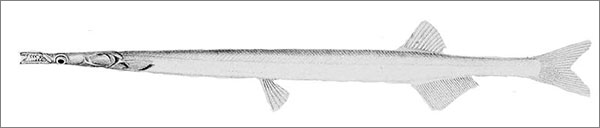 뱅어류 Chinese noodlefish(Salanx chinensis)의 기본 모습 도해. Typical form Illustration of Salanx chinensis. Created in 1911. author/Steindachner. |
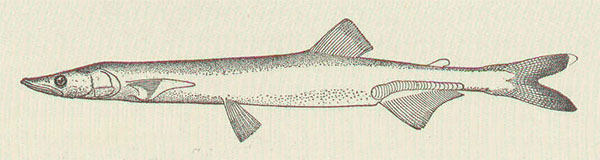 뱅어류 Clearhead icefish(Protosalanx hyalocranius)의 기본 모습 도해. Typical form Illustration of Protosalanx hyalocranius. Created in Abbott, 1901 author/David Starr Jordan. |
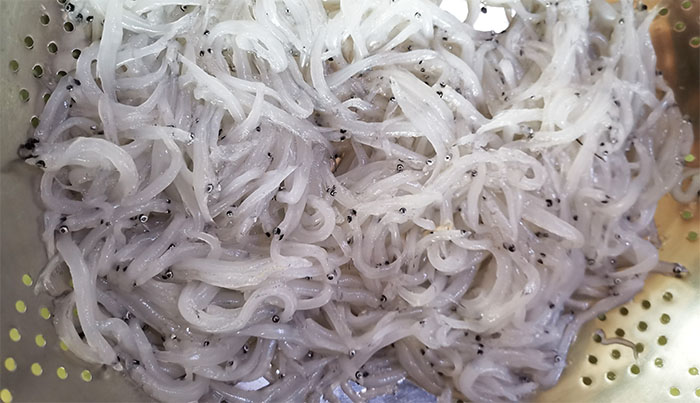 뱅어류의 생선. 종명 미상. 中文/无锡太湖银鱼. Icefish in fish market. Species unidentified. Author/Walter Grassroot |
 손바닥 위의 뱅어. A Japanese icefish on palm. Author/Sagavlad. |
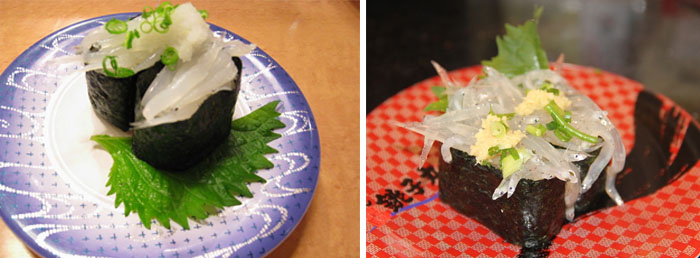 뱅어 초밥. Sushi of Salangichthys microdon. Left author/Lombroso. Right author/Arashiyama |
 뱅어 회. Sashimi of Salangichthys microdon. Left author/pelican from Tokyo, Japan. Right author/Antenna-taro |
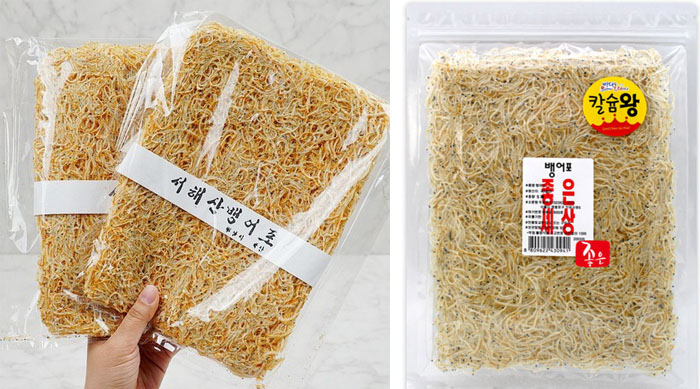 뱅어포. Products of dried slices of seasoned Icefishes. Source/internet shopping mall in Korea. |


|
| Copyright ⓒ FISHILLUST.COM All rights reserved. All contents can not be used without permission of the copyright holder. |


 검색
