경골상강→조기강→금눈돔목→납작금눈돔과
Superclass Osteichthyes(bony fishes)→Class Actinopterygii(ray-finned fishes)→Order Beryciformes(sawbellies)→Family Trachichthyidae
납작금눈돔과 Family Trachichthyidae(Slimeheads).
납작금눈돔과의 종들은 영명으로 슬라임헤드(Slimeheads)라고 부르며 다른 영명으로는 러피스(roughies)와 레드피시(redfish)가 있다. 큰 종들도 있지만 대부분 크기가 작으며 수명은 매우 길고 깊은 수심에 산다. 과의 학명 트라키이크티디(Trachichthyidae는 "거칠다"(rough)는 의미의 그리스어 "트라키스"(trachys)와 "물고기"(fish)라는 의미의 "이크티스"(ichthys)의 합성어이다. 대서양과 인도양 그리고 태평양의 온대 및 열대 수역에서 발견되며, 8속 약 48종으로 이루어져 있다. 한국에는 2023현재 기준 2속 2종(은줄금눈돔/Aulotrachichthys prosthemius와 납작금눈돔/Gephyroberyx darwinii)의 분포가 알려져 있다. 영명 슬라임헤드(Slimeheads)의 slime은 점액이라는 뜻이며 머리 속에 점액으로 채워진 관이 망 조직으로 들어있기 때문에 붙여진 이름이다. 머리의 점액관은 측선 시스템이 두개골로 연결된 부분이다.
가장 큰 종은 orange roughy이며 꼬리를 제외한 몸체 길이가 최대 75 cm, 무게 7kg까지 자란다. 그러나 대부분 체장(SL) 30 cm 이하이다. 크기가 큰 종인 오렌지 러피(Orange roughy/Hoplostethus atlanticus)와 납작금눈돔(Darwin's slimehead; Gephyroberyx darwinii)은 오스트레일리아와 뉴질랜드에서 중요한 상업적 어업 대상어이다. 이미 많은 해역의 개체군이 소탕당했으며 다른 해역에서도 과잉 조업이 진행되고 있다. 납작금눈돔류들은 재생산 순환기가 느리기 때문에 이 물고기를 대상으로 하는 어업의 미래는 어둡다. 오렌지 러피는 생선으로 판매되며 납작금눈돔은 기름 생산과 어분으로 사용된다.
납작금눈돔과 종들은 체고가 높고 옆으로 납작한 체형을 가진 것이 특징이다. 머리와 눈이 크며 일부 종은 밝은 색상을 가졌다. 금눈돔목의 과 중에서 납작금눈돔과처럼 머리 속 점액관 시스템은 갖고 있는 과에는 귀신고기과(Fangtooth; Family Anoplogastridae)와 융기머리과(Ridgeheads; Family Melamphaidae)가 있다. 납작금눈돔과는 머리가 뭉툭하고 위로 경사진 큰 입을 가졌다. 주둥이 끝은 위턱보다 약간 앞으로 튀어나가 있을 수 있다. 전새개골, 주새개골, 측두골에 날카로운 가시가 한 개 있으며 측두골 가시는 앞쪽으로 향해 있다. 8속 중 옵티부스 속(genus Optivus), 파라트라키크티스 속(genus Paratrachichthys), 및 소로시크티스 속(genus Sorosichthys)의 종들은 나머지 다른 속 종들과 달리 체형이 더 길다.
납작금눈돔과 안에서 납작금눈돔(Darwin's slimehead; Gephyroberyx darwinii)은 체장이 60cm 로 큰 종이며 상업적으로 중요한 물고기이다. 납작금눈돔의 체형은 납작금눈돔과 어류 체형의 기준 모델이다. 가슴지느러미를 제외하고 나머지 모든 지느러미에 극조가 포함되어 있다. 등지느러미는 1개이며 극조 3-8개, 연조 10-19개로 구성되어 있다. 배지느러미는 몸 아래쪽에 있고 극조 1개와 연조 6-7개이다. 뒷지느러미는 2-3개 극조와 8-12개 연조를 가졌다. 안으로 깊게 패인 꼬리지느러미에도 각각 4개 내지 7개의 작은 가시가 상엽과 하엽의 시작 위치 가장자리에 연속적으로 나있다. 납작금눈돔과 종들의 비늘은 기본적으로는 빗비늘이지만 종에 따라 차이가 있다. 잘 떨어져나가는 비늘도 있고 몸에 잘 붙어 있는 비늘도 있다. 대부분 종에서 배지느러미와 뒷지느러미 사이의 비늘은 골질의 큰 모비늘로 변해서 용골(융기선) 형태를 띤다. 측선은 끊어짐 없이 완전하며 측선 구멍은 빗비늘의 특징인 돋은 잔 가시 또는 돋은 이빨에 가려서 잘 보이지 않는다.
납작금눈돔과의 체색은 밝은 적벽돌색(지느러미들은 모두 고르게 동일 계열의 색조를 가짐)에서부터 어두운 회색이나 어두운 은색 바탕, 또는 지느러미들은 회색이거나 투명하고 몸은 검은색인 경우까지 있다. 적색은 죽으면 금방 오렌지 색으로 변한다. 어떤 종은(예를 들어 Aulotrachichthys latus) 생체발광 기관을 가지고 있는 것으로 보고되어 있는데 이는 아마도 금눈돔목의 다른 종들이 가지고 있는 공생박테리아의 발광일 것이다.
생태/
납작금눈돔과 물고기들은 느리게 헤엄치며 대륙붕 사면 바닥에 가깝게 떠서 대부분의 시간을 보낸다. 수온이 찬 수심 100-1,500m에서 저층생활을 하며 주로 바닥이 단단하거나 바위 지대인 곳에서 생활한다. 체장이 길쭉한 종들은 행동이 액티브하며 수심이 얕은 곳을 선호한다. 예를 들어 슬렌더 러피(Slender roughy; Optivus elongatus)는 태양광이 들어와 식물이 자랄 수 있는 연안 바다의 바위 지대에서 발견된다. 슬렌더 러피는 야행성으로 낮에는 바위틈 속에 숨어있다. 러피(Roughy; Trachichthys australis)도 슬렌더 러피와 같은 습성을 가졌으며 그러나 체고는 조금 더 높은 편으로 얼게돔과(soldierfishes)의 체형을 닮았다. 납작금눈돔과 종들은 유어든 성어든 동물플랑크톤을 주식한다. 보리새우, 새우, 단각류, 난바다곤쟁이류, 기타 갑각류와 유충도 포함된다. 납작금눈돔과 물고기는 세포외 왁스 에스테르(extracellular wax esters)로 에너지를 저장하는데, 이는 중성 부력을 유지하는 데 도움이 된다.
행태에 관하여는 잘 연구된 바 없으나 일부 종들이 이따금 조밀하게 무리를 짓는 행태가 나타난다. 오렌지 러피(Orange roughy; Hoplostethus atlanticus)의 경우를 보면 암컷과 수컷이 따로 무리를 짓은 것으로 보인다. 무리는 물의 이동과 혼합이 잘 일어나 먹이감이 풍부해지는 해저 협곡이나 해산과 같은 지형 안팎에서 잘 형성된다. 무리의 형성은 반드시 산란행위를 위한 것은 아니다. 섭식 단계와 휴식 단계의 교차에 따라, 왕성한 활동을 하는 단계와 활동 휴식기의 교차에 따라 조건에 맞는 물의 환경을 찾아서 모이는 것일 수 있다. 대심도 잠수정 수중 탐사에서 관찰된 것인데 오렌지 러피 무리는 비활동기에는 체색이 거의 모두 사라져 있었고 가깝게 접근하기도 쉬웠다. 오렌지 러피의 섭식 시기, 즉 왕성한 행동 시기는 먹이감이 풍부해지는 계절이며 먹이가 부족해 휴식 시기를 갖는 것은 에너지를 절약하기 위해서이다. 어떤 종은 계절 이동을 하는 것이 관찰되기도 했다. 납작금눈돔과 어류는 부유형 산란을 한다. 산란을 위해 떼로 모여서 알과 정자를 직접 물에 방출하는 방법이다. 수정된 알이나 갓 부화한 자치어는 해류에 밀려다니는 부유생활을 하다가 부유력을 이길 수 있는 힘이 생기면 자신의 길로 떠난다.
납작금눈돔과의 어류는 상업적으로 중요한 종에 한해 재생산 생태가 연구되었다. 납작금눈돔(Darwin's slimehead)의 치자어와 유어는 회유생활자이며 수심이 얕은 연안에 자주 나타난다. 반면에 오렌지 러피의 유생들은 200m 수심대의 깊은 물에 제한되어 있다. 납작금눈돔류는 성장이 매우 더디고 수명이 매우 길어서 최 장수 동물 중 하나로 꼽힌다. 최대 149년 수명이라는 주장이 있고 논쟁 중에 있다. 납작금눈돔류를 잡어먹는 포식자는 잘 알려져 있지 않으나 대심도 회유 상어, 긴꼬리장어(Synaphobranchidae), 민대구(Merlucciidae) 및 갈치꼬치(Snake mackerels; Gempylidae) 등이 말해지고 있다.
Family Trachichthyidae(Slimeheads)
Slimeheads, also known as roughies and redfish. There are some large species, but most are small, exceptionally long-lived, deep-sea fish. Family name Trachichthyidae derived from the Greek trachys – "rough" and ichthys – "fish"). Found in temperate to tropical waters of the Atlantic, Indian, and Pacific Oceans, the family comprises about 48 species in eight genera. 2 species in 2 genera distribute in Korea(as of 2023). Slimeheads are named for the network of muciferous canals riddling their heads. This mucous duct is where the lateral line system connected to the skull.
The largest species is the orange roughy at a maximum standard length(SL; a measurement excluding the caudal fin) of 75 cm and a weight of 7 kg; however, most slimeheads are well under 30 cm SL. The larger species – namely the orange roughy(Hoplostethus atlanticus) and Darwin's slimehead (Gephyroberyx darwinii) – are the target of extensive commercial fisheries off Australia and New Zealand. Many populations have already crashed, while others are showing signs of severe overfishing; due to slimeheads' slow rate of reproduction, the future viability of these fisheries has been put into question. Orange roughies are food fish and are marketed fresh and frozen, whereas Darwin's slimeheads are used for their oil and made into fishmeal.
With a typically deep-bodied, laterally compressed form, slimeheads are conspicuous for their large heads, large eyes, and(in some species) bright colours. The head is especially notable for its network of mucus-filled canals, which constitute the cranial portion of the lateral line system. Similar cranial networks are found in the beryciform fangtooths(Anoplogastridae) and the beryciform ridgeheads(Melamphaidae).
The trachichthyid head is typically blunt with a large and oblique mouth; the snout may project slightly in front of the upper jaw. A short, sharp spine is present on the preoperculum and/or operculum and post-temporal bone, the latter spine directed posteriorly. Species of the genera Optivus, Paratrachichthys, and Sorosichthys differ in form from other members of the family; their bodies are more elongated.
Darwin's slimehead(Gephyroberyx darwinii) is another large(60 cm standard length), commercially important species. Its morphology is typical of the family. All fins include spine rays partially(excluding the low-slung pectoral fins). The single dorsal fin has three to eight spines and 10–19 soft rays; the pelvic fins are thoracic with one spine and six or seven soft rays; the anal fin has two or three spines and eight to 12 soft rays; and even the forked caudal fin possesses four to seven small procurrent spines on each lobe. The scales of slimeheads are ctenoid, but vary interspecifically; they range from deciduous to adherent. In most species, the ventral scales between the pelvic fin and anus have been modified into a median ridge of large, bony scutes. The lateral line is uninterrupted and fairly obvious; its pores are largely obscured by the scales' well-developed spinules or ctenii.
Slimeheads range from a bright brick red with identically shaded fins, to dusky grey or silver, to black with dusky grey to transparent fins. The reds quickly fade to orange following death. Some species(e.g., Aulotrachichthys latus) are reported to be bioluminescent, probably by symbiotic bacteria as is found in other beryciform fish.
Life history/
Most slimeheads are sluggish and demersal, spending most of their time near the bottom of continental slopes. Cold, moderate benthopelagic depths(about 100 – 1,500 m) with usually hard, rocky substrates are frequented. The most elongate species are typically the most active and frequent the shallowest depths; for example, the slender roughy (Optivus elongatus) is found in photic coastal waters and is associated with rocky reefs. This species is nocturnal and hides in crevices during the day. Trachichthys australis is of the same habitus, but is rather deep-bodied and resembles a soldierfish.
Both young and adult slimeheads feed primarily upon zooplankton such as mysid shrimp, amphipods, euphausiids, prawns, and other crustaceans, as well as larval fish. Slimeheads store energy as extracellular wax esters, which aid the fish in maintaining neutral buoyancy.
Slimehead behaviour is not well studied, but some species sporadically form dense aggregations. In the case of the orange roughy, these aggregations possibly segregated according to sex. The aggregations form in and around geologic structures, such as undersea canyons and seamounts, likely where water movement and mixing is high, ensuring dense concentrations of prey items. The aggregations do not necessarily form for the purpose of spawning; it is thought that the fish cycle through metabolic phases(feeding and resting) and seek areas with ideal hydrologic conditions to congregate during their inactive and active phases. Observations of orange roughy aggregations during submersible dives have also shown the fish lose almost all pigmentation while inactive, during which time they are very approachable. The orange roughy's metabolic phases are thought to be related to seasonal variations in the fish's prey concentrations, with the inactive phase being a means to conserve energy during lean periods. Evidence of oceanodromy(seasonal migration) is seen in some species. Slimeheads are pelagic spawners; that is, spawning aggregations are formed and the fish release eggs and sperm en masse directly into the water. The fertilized eggs (and later the larvae) are planktonic, floating with the currents until the larvae develop the strength to determine their own way.
Only the economically important species have had their reproduction studied in any detail; the larvae and juveniles of Darwin's slimehead are pelagic and frequent rather shallow waters near the coast, whereas in orange roughy, the early life stages are apparently confined to deeper water (around 200 m). Slimeheads are very slow-growing and long-lived fish; the orange roughy ranks among the longest-lived animals known, with a maximum reported age of 149 years(however, this age is disputed). Predators of slimeheads are not well known, but include large deep-roving sharks, cutthroat eels(Synaphobranchidae), merluccid hakes(Merlucciidae), and snake mackerels (Gempylidae).
|

 은줄금눈돔. 수중사진. Underwater photo. West Pacific luminous roughy(Aulotrachichthys prosthemius). Author/Izuzuki. (CC by NC)
 은줄금눈돔. 유어 보존개체 사진. 체장/26mm SL. West Pacific luminous roughy(Aulotrachichthys prosthemius). Preserved specimen. Juvenile. 26mm SL. Author/Randall, John E. (CC by NC)
 한국명 납작금눈돔. 최대어/60.0cm TL. Underwater photo of Darwin's slimehead(Gephyroberyx darwinii). Max length/60.0cm TL. Location South America Curaçao. Author/avocet. (cc by nc)
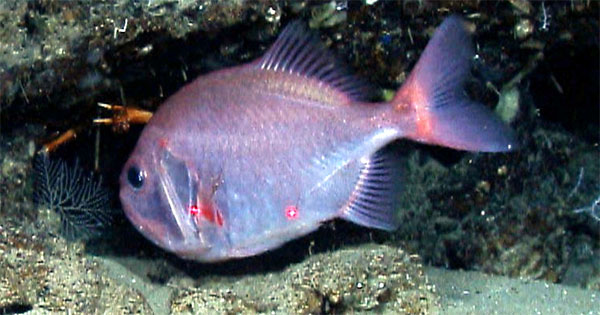 한국명 납작금눈돔. 최대어/60.0cm TL. 대심도 ROV 카메라의 수중사진. Underwater photo of Darwin's slimehead(Gephyroberyx darwinii). Max length/60.0cm TL. Photographed by Remotely Operated Vehicle(ROV). Location: Gulf of Mexico, North. Author/NOAA
 맨 앞에 납작금눈돔이 있고 뒤에 있는 것은 금눈돔과의 빛금눈돔(splendid alfonsino; Beryx splendens)이다. 미국 NOAA의 대심도 ROV 카메라 수중사진. Underwater photo of Darwin's slimehead(Gephyroberyx darwinii). Behind of it is a splendid alfonsino(Beryx splendens) in Family Berycidae. Photographed by Remotely Operated Vehicle(ROV). Location: Gulf of Mexico, North. Author/NOAA
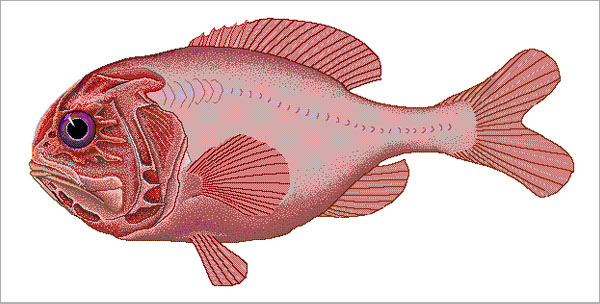 오렌지러피(Orange roughy) 묘사도. Illustration of Orange roughy(Hoplostethus atlanticus). Author/Robbie Cada.
 오렌지러피. 맛 좋은 생선으로 알려져 있다. Orange roughy(Hoplostethus atlanticus). Prized for its taste, the Orange Roughy fish can live as long as eighty years. Author/CSIRO. (CC by NC).
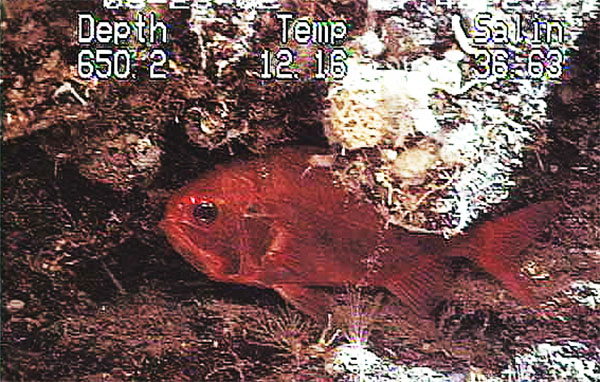 오렌지러피. 미국 NOAA의 대심도 ROV 카메라가 촬영한 사진이며 화면에 수심 650m가 표시되어 있다. Orange roughy(Hoplostethus atlanticus). This photo was taken by NOAA's deep-depth ROV camera, and the screen shows a depth of 650m. Author/NOAA/OER. (CC by NC).
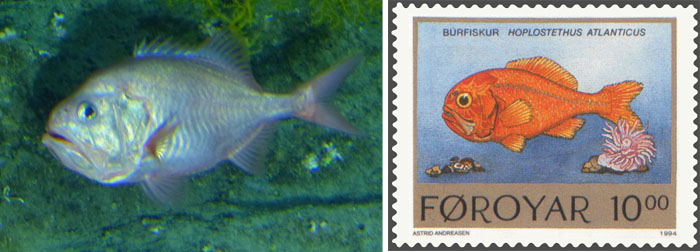 Left/오렌지러피(Orange roughy) 수중사진. Underwate photo of Orange roughy(Hoplostethus atlanticus). Author/Robbie Cada. (CC by NC).Right/북대서양 패로 제도의 오렌지러피 우표. Stamp Orange roughy of Faroe Islands. Author/Robbie Cada. (CC by NC).
 Left/어부들이 어망에 걸린 오렌지러피(Orange roughy)를 배에 끌어 올리고 있다. 오렌지러피는 부드럽고 촉촉한 흰 살과 순한 맛으로 오스트레일리아의 인기 좋은 수출 식용어이다. 그러나 종의 수명이 길어서 성적으로 성숙하는데 오랜 기간이 필요하고 먹이 사냥과 산란을 위해 거대한 떼로 모이는 습관이 있어서 남획될 위험성이 크다.
 “지중해 슬라임헤드” 묘사도. 모나코 왕세자 알베르 1세(1848-1922)가 자신의 요트에서 수행한 과학 캠페인의 결과물. Illuatration of Mediterranean slimehea(Hoplostethus mediterraneus). Date/1911. Author/Emma Kissling(–1913). Results of the scientific campaigns carried out on his yacht by Albert I, Sovereign Prince of Monaco(1848-1922). (CC by NC).
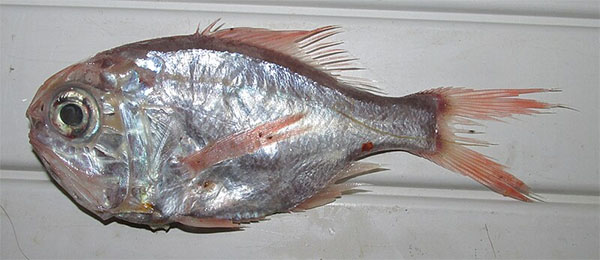 “지중해 슬라임헤드” 보존 개체. 이탈리아 토스카나 제도의 수심 500m에서 저인망에 잡힘. Preserved specimen of Mediterranean slimehea(Hoplostethus mediterraneus). Trawled at 500m depth, Tuscan Archipelago in Italy. Date/22 January 2016. Author/Jo Langeneck. (CC by NC).
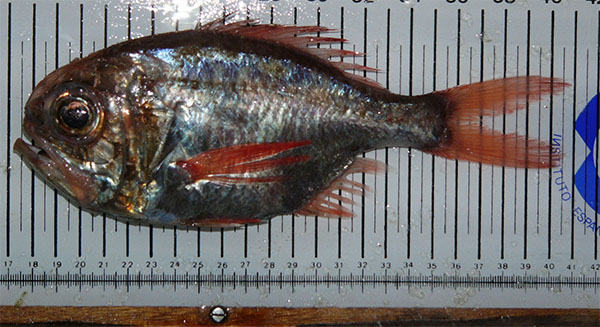 “지중해 슬라임헤드” 보존 개체. 채집 장소/포르투갈 북부(이베리아 반도). 전장/23cm TL. Preserved specimen of Mediterranean slimehea(Hoplostethus mediterraneus). Collected in northern Portugal. 23cm TL. Author/Gonzalo Mucientes Sandoval. (CC by NC).
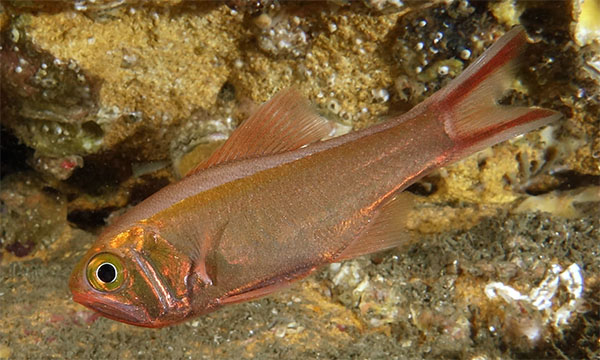
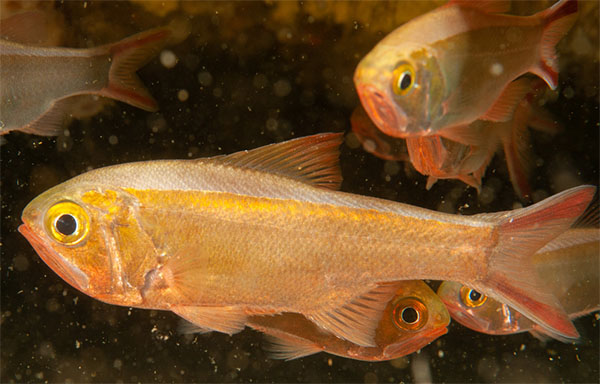 바이올렛 러피(Violet roughy). 성어 수중사진. Underwater photo of adult Violet roughy Optivus(agastos Gomon). Location/Randwick, New South Wales, Australia. Autor/Erik Schlogl. (CC BY-NC)
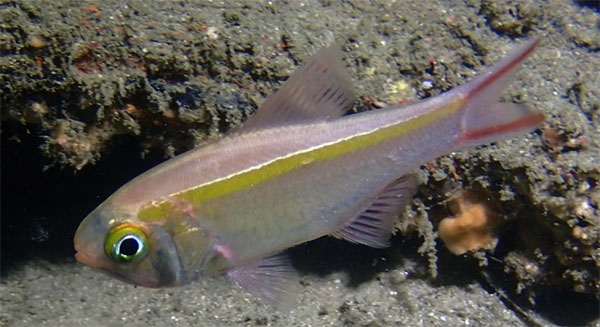 바이올렛 러피(Violet roughy). 성어 수중사진. Underwater photo of adult Violet roughy Optivus(agastos Gomon). Location/Mosman, New South Wales, Australia. Autor/Peter(Fiftygrit). (CC BY-NC)
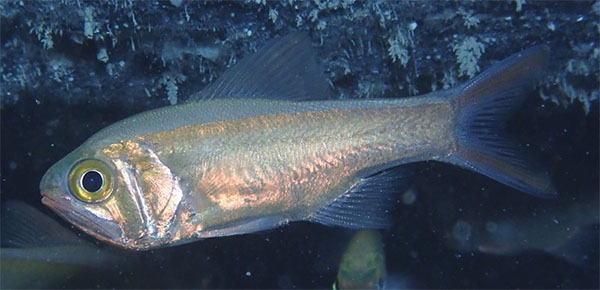 바이올렛 러피(Violet roughy). 성어 수중사진. Underwater photo of adult Violet roughy Optivus(agastos Gomon). Location/Port Stephens, New South Wales, Australia. Autor/Tom Davis. (CC BY-NC)
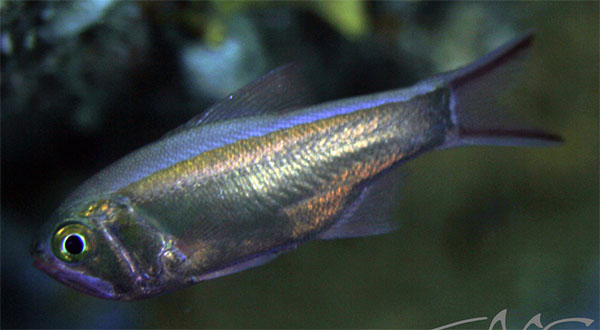 바이올렛 러피(Violet roughy). 성어 수중사진. Underwater photo of adult Violet roughy Optivus(agastos Gomon). Location/Lake Macquarie, North, New South Wales, Australia. Autor/Tony Strazzari. (CC BY-NC)
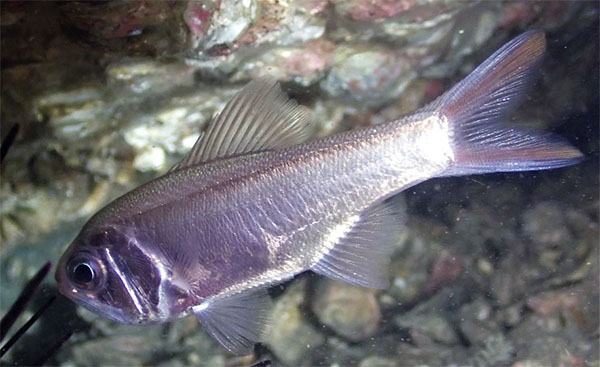 바이올렛 러피(Violet roughy). 성어 수중사진. Underwater photo of adult Violet roughy Optivus(agastos Gomon). Location/Mosman, New South Wales, Australia. Autor/Peter(Fiftygrit). (CC BY-NC)
 바위 덩어리 밑 그늘에 의지해 사는 바이올렛 러피 무리. A group of Violet roughies living in the shade under a rock clump. Location/observed in Australia. Autor/Tony Strazzari. (CC BY-NC)
 Left/웨스턴 러피(Western roughy). 야간 다이빙 수중사진. Underwater photo of Western roughy(Optivus agrammus). Location/Cockburn, Western Australia, Australia. Night dive at Omeo Wreck Trail. Author/Glen Whisson. (CC BY-NC)
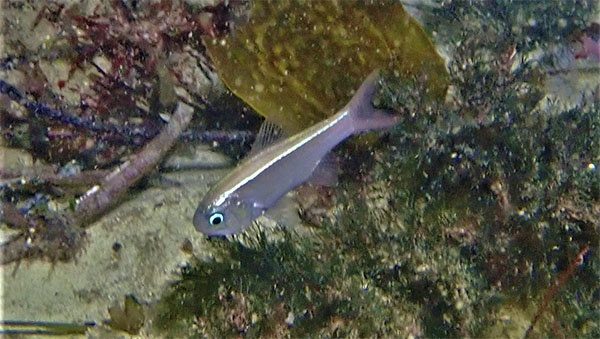 웨스턴 러피(Western roughy). 수중사진. Underwater photo of Western roughy(Optivus agrammus). Location/Joondalup, Western Australia, Australia. Author/Martin Crossley. (CC BY-NC-SA)
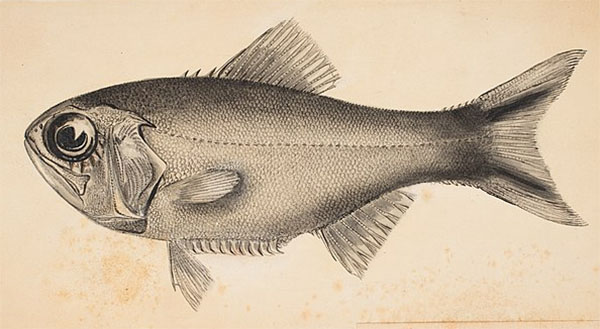 슬렌더러피 묘사도. Illustration of Slender roughy(Optivus elongates). Date/1920-1930. Author/Griffin, L. T, artist(Auckland Museum Collections, New Zealand)
 슬렌더러피 수중사진. Underwater photo of Slender roughy(Optivus elongatus). Author/Ian Skipworth. (Public domain).
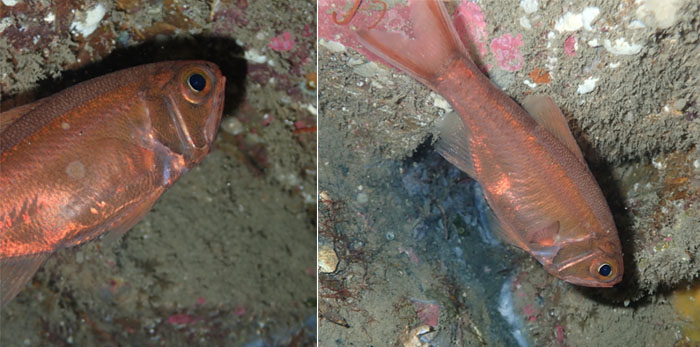 Left and Right/슬렌더러피 수중사진. Underwater photo of Slender roughy(Optivus elongatus). Location/Wellington, New Zealand. Author/Luca Davenport-Thomas. (CC BY-SA)
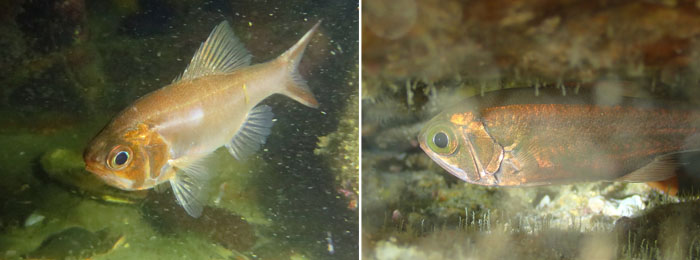 슬렌더러피 수중사진. Underwater photo of Slender roughy(Optivus elongatus). Location/Wellington, New Zealand. Left photo author/Sarah Milicich. Right photo author/Zachary Robertson. (CC BY-NC)
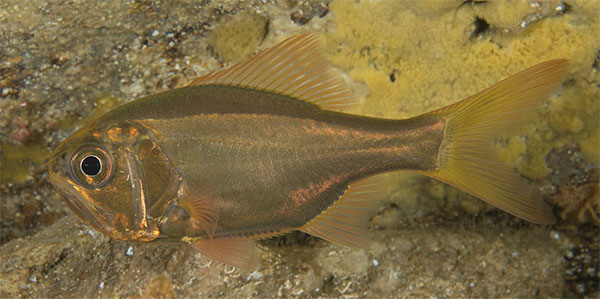
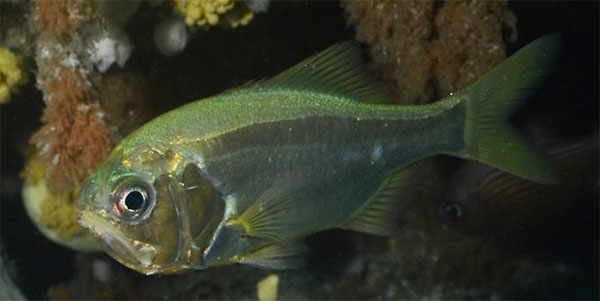 샌드페이퍼 고기. 수중사진. Underwater photo of Sandpaper fish(Paratrachichthys macleayi). Location/Maria Island, Tasmania, Australia. Author/Graham Edgar. (CC BY-NC)
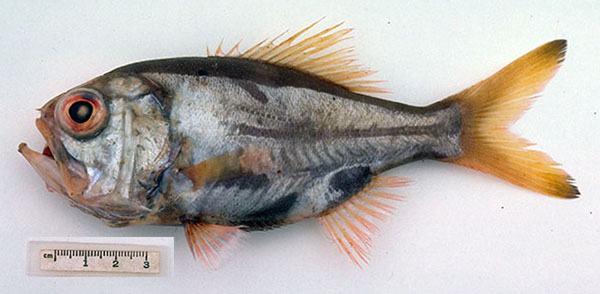
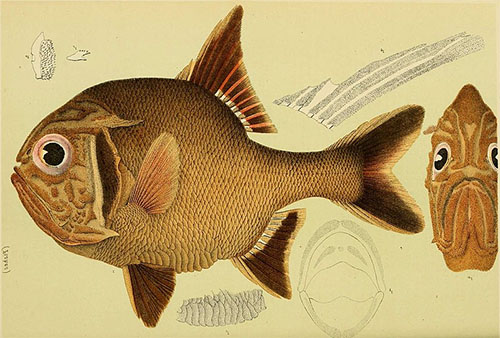 사우선 러피(Southern roughy) 묘사도. 1890년 작. illustration of Southern roughy(Trachichthys australis). Autohor/McCoy, Frederick. Date/1890. Source/Natural history of Victoria. Prodromus of the zoology of Victoria; or, Figures and descriptions of the living species of all classes of the Victorian indigenous animals... By Frederick McCoy.
 사우선 러피(Southern roughy). 수중사진. Underwater photo of Southern roughy(Paratrachichthys macleayi). Location/Sydney, New South Wales, Australia. Autohor/Sascha Schulz
 사우선 러피(Southern roughy). 수중사진. Underwater photo of Southern roughy(Trachichthys australis). Location/Randwick, New South Wales, Australia. Autohor/Erik Schlogl. (CC BY-NC)
 사우선 러피(Southern roughy). 수중사진. Underwater photo of Southern roughy(Trachichthys australis). Location/ Wyong-North-East, New South Wales, Australia. Autohor/Gina. (CC BY-NC)
 사우선 러피(Southern roughy). 수중사진. Underwater photo of Southern roughy(Trachichthys australis). Location/Western Australia, Australia. Autohor/J. Martin Crossley. (CC BY-NC)
 사우선 러피의 유어. 수중사진. Underwater photo. Juvenile of Southern roughy(Trachichthys australis). Location/Gosford-East, New South Wales, Australia. Autohor/J. Martin Crossley. (CC BY-NC)




 검색
 체형 비교도(Body shape comparison)/
 체형 비교도(Body shape comparison)/

