
사이트 로그인
사이트 로그인
|
분류계통/경골상강→조기강→실고기목(Syngnathiformes)→실고기과(Syngnathidae)→흰점실고기 Copyright by Kim In Young. 김인영 그림
|
 |
| [painting 1]. 흰점실고기 기본 모습. Lateral view of Beady pipefish(Hippichthys penicillus). |
|
Copyright by Kim In Young. 김인영 그림
|
 |
| [painting 2]. 흰점실고기 기본 모습. 검은 색 국면. 수컷은 색이 검다는 주장이 있다. Lateral view of Beady pipefish(Hippichthys penicillus). Blackish phase; There is a claim that males are black in color. |
|
Copyright by Kim In Young. 김인영 그림
|
 |
| [painting 3]. 흰점실고기 2차원 모습. Two-dimensional view of Beady pipefish(Hippichthys penicillus). |
|
Copyright by Kim In Young. 김인영 그림
|
 |
| [painting 4]. 흰점실고기의 체형과 골질 체륜의 배열도. The body shape and configuration of body rings of Beady pipefish(Hippichthys penicillus). |
|
Copyright by Kim In Young. 김인영 그림
|

|
| [painting 5]. [융기선 구조] 몸 상부융기선(A)은 꼬리 상부융기선(H)과 연결되지 않았고 등지느러미 후단부(G)에서 끝난다. 꼬리 상부융기선(H)은 지점 G에서 밑으로 내려가 몸통 마지막 체륜에 닿는다(F). 몸통 중앙융기선(B)은 몸통 마지막 체륜까지 직선으로 진행하다가 끝난다(E). 몸통 하부융기선(C)은 꼬리 하부융기선(I)과 연속적이다(D). [Arrangement of ridges] The superior trunk ridge(A) is not connected to the superior tail ridge(H) and ends at the posterior end of the dorsal fin(G). The superior tail ridge(H) descends from point G and reaches the last trunk ring(F). The median trunk ridge(B) proceeds in a straight line up to the last trunk ring and ends (E). The inferior trunk ridge(C) is connected(D) to the inferior tail ridge(I). |
실고기목 실고기과 분포; 인도-태평양/인도 서태평양/페르시아 만 서부(사우디아라비아 쿠웨이트), 인도양 중북부, 호주 퀸즈랜드 주, 북쪽으로 일본 및 한국의 남해도(한국 남해의 섬)까지. 몸통 상부 융기선은 등지느러미 뒤쪽 기부(꼬리의 6번째 체륜)에서 끝나 꼬리 상부 융기선과 연결되지 않으며 꼬리 상부 융기선은 여기에서 몸통 융기선과 어긋나 아래로 내려가 꼬리의 1번 체륜에 이른다. 몸통 중앙 융기선은 몸통 마지막 체륜의 거의 끝까지 직선으로 진행한다. 몸통 하단 융기선은 꼬리 융기선과 연속적이다. 몸통의 복부 밑면의 중앙 융기선은 뚜렷하게 돌출되어 있다. 가슴지느러미는 둥글다. 뒷지느러미는 작고 항문 바로 뒤에 있다. 꼬리지느러미는 작고 뒤가 둥글다. 살아 있을 때 몸 바탕색은 등쪽은 옅은 황갈색(tan color), 황갈색, 또는 녹갈색이며 배쪽은 위쪽 몸색에 노란색이 가미된 색이다. 등면에 약 10~12개의 등을 가로지르는 가는 띠 같은 무늬가 일정 간격으로 배열되어 있다. 몸 측면에는 검은 테두리를 가진 작은 백색 점들이 많이 산재한다. 영명 Beady pipefish의 Beady(Bead)는 “구슬이 많다”는 뜻으로 이 작은 흰점들이 구슬 같다고 해서 붙여진 이름이다. 꼬리부분에는 각 체륜 마다 아래 쪽 융기선이나 바로 그 위에 하얀 반원형 반점이 1개씩 열 지어 있다. 등지느러미, 뒷지느러미, 가슴지느러미는 투명하다. 꼬리지느러미는 몸색을 따라가고 뒤 가장자리가 희다. 한 관상어 전문 거래 업체의 설명에 따르면 암컷과 수컷의 색이 다르다고 하며 수컷은 진하게 검은 색을 띠고 백색 점 무늬가 은빛처럼 빛난다고 하였다. 반면에 암컷은 옅은 황갈색 이나 옅은 녹갈색 계열이며 칙칙한 편이라고 하였다. 성어는 하천과 강 하류에 서식하며 기수역의 해초밭이나 연안 얕은 수심에서도 산다. 맹그로브 숲의 기수와 조수가 드나드는 하천에서도 발견된다. 완전한 해수, 기수, 그리고 완전한 담수 환경에서 다 발견된다. 이런 넓은 폭의 염도에 적응하는 현상을 전문 용어로 광염성(廣鹽性; euryhaline)이라고 한다. 난태생이다. 일부일처제 교배를 하며 이는 유전적인 것으로 보인다. 암컷은 수컷 꼬리부분 아래 복부 피부에 알을 붙여 낳고, 수컷은 알을 육아낭에 보관하고 다니며 나중에 새끼가 태어난다. 해마의 육아낭은 완전히 주머니 모양이지만 실고기의 알은 수컷 피부에 붙이는 형식이다. 그래도 수컷 실고기의 알 보관장소를 “육아낭(brood pouch, brood sac, brood chamber)이라고 부른다. 흰점실고기 수컷은 육아낭으로 사용되는 복부 모양이 겹으로 보여서 쉽게 수컷임을 알 수 있다. 알은 몇 주 걸려서 부화되어 새끼가 나온다. 한 배에 낳는 새끼 수는 평균 177 마리이다. 다른 실고기와 마찬가지로 작은 갑각류를 잡아먹는 것으로 믿어진다. 학명의 어원/히피크티스(Hippichthys): 고대 그리스어로 '말+물고기' 뜻이며 페니실루스(penicillus)는 라틴어로 "붓"을 의미한다. “붓”은 꼬리지느러미 모양을 참조하여 붙여진 이름이다. 학명의 어원/히피크티스(Hippichthys): 고대 그리스어로 '말+물고기' 뜻이며 페니실루스(penicillus)는 라틴어로 "붓"을 의미한다. “붓”은 꼬리지느러미 모양을 참조하여 붙여진 이름이다. |
Order Syngnathiformes Family Syngnathidae(pipefishes and seahorses) Distribution; Indo-West Pacific/Western Persian Gulf(Kuwait, Saudi Arabia), north-central Indian Ocean, Queensland, Australia, and north to Japan and South Korea's Namhae Island(in South Sea). The superior trunk ridge ends at the rear base of the dorsal fin(the 6th tail ring) and is not connected to superior tail ridge, superior tail ridge avoids the trunk ridge at this point and goes down to reach the first ring of the tail. The median trunk ridge runs in a straight line almost to the end of the last trunk ring. Inferior trunk and tail ridges is continuous. Median ventral trunk ridge(center of abdomen bottom) prominent. The pectoral fin is round. The anal fin is small and located just behind the anus. The caudal fin is small and margin rounded. When alive, the ground color is tan, brown, or greenish-brown dorsally, the belly is a mixture of yellow hue and body color. About 10~12 narrow pale bars across the back arranged in regular intervals. Numerous dark edged white spots on body side. English name Beady pipefish was given because these small white dots resemble beads. Tail rings usually with a semicircular pale blotch on or above the inferior ridge. The dorsal fin, anal fin, and pectoral fin are transparent. The caudal fin follows the body color and with white margin. According to an explanation from an ornamental fish trading company, the colors of females and males are different, with males being deep black and with white dots that shine like silver. On the other hand, females were said to be light brown or light greenish brown and duller. Adults inhabit lower reaches of streams and rivers, also sea grass beds in estuaries and other shallow inshore habitats. Occur in mangrove estuaries and tidal creeks. They can be found in pure marine, brackish water and pure freshwater environments. The technical term for that is euryhaline. Ovoviviparous. Monogamous mating is observed as both obligate and genetic. Female deposits eggs on the ventral surface of the male's tail, males carrying eggs in his brood pouch before giving birth to live young. The seahorse's brood pouch is completely sac-shaped, but the pipefish's eggs are attached to the male's skin. Still, the place where male pipefish keeps eggs is called also brood pouch, brood sac, or brood chamber. The males of Hippichthys penicillus can be easily recognized by the prominent fold on the belly which serves as a brood chamber. Eggs are incubated for several weeks. Average brood size is 177. It is expected to feed on small crustaceans, similar to other pipefish. Other Names: Banded Freshwater Pipefish, Bellybarred Pipefish, Black-chinned Pipefish, Gazelle Pipefish, Mangrove Pipefish, Steep-nosed Pipefish |
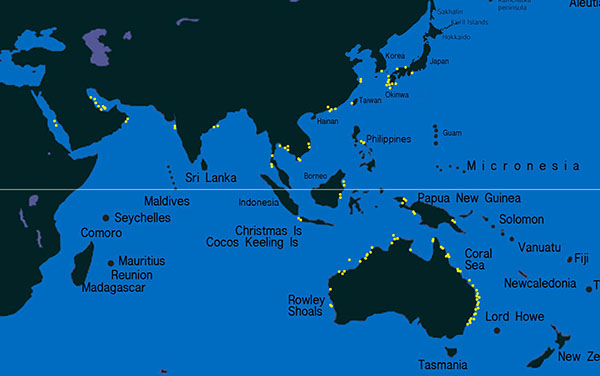 흰점실고기 분포도. Distribution map of Beady pipefish(Hippichthys penicillus). Main Ref. fishbase.org/as of August, 2024. Edited by Kim in young(fishillust.com). |
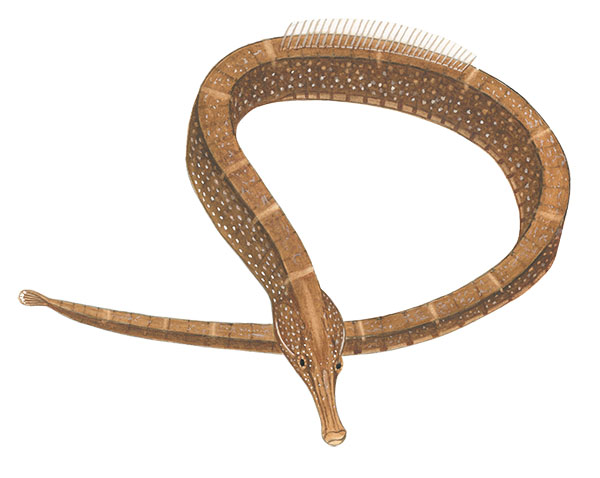
 흰점실고기 묘사도. Illustration of Beady pipefish(Hippichthys penicillus. Author/FAO |
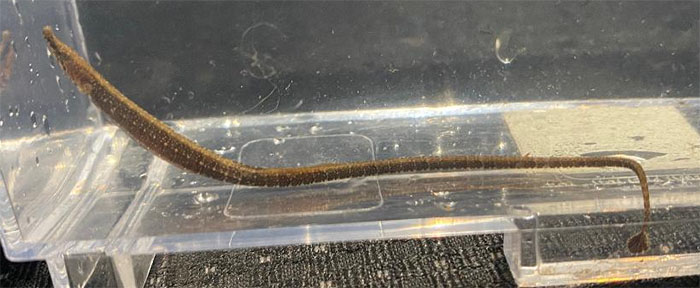
 흰점실고기 보관 개체. Preserved specimen of Beady pipefish(Hippichthys penicillus. Author/Randall, J.E. |
 흰점실고기. Beady pipefish(Hippichthys penicillus. Author/riki_paleatus. Source/Atlas of Living Australia. (CC BY NC) |
 흰점실고기. Beady pipefish(Hippichthys penicillus. Location/Southern Korea. Author/mahiru. Source/naturing.net. (CC BY NC) |
 흰점실고기. Beady pipefish(Hippichthys penicillus. Location/Hong Kong. Author/Tse Chung Yi. Source/inaturalist. (CC BY NC) |
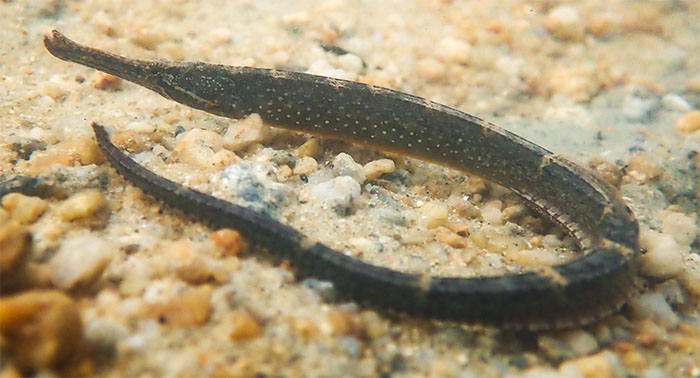 흰점실고기. 수중사진. Underwater photo. Beady pipefish(Hippichthys penicillus. Location/Hong Kong. Author/H.T.Cheng. Source/inaturalist. (CC BY NC) |
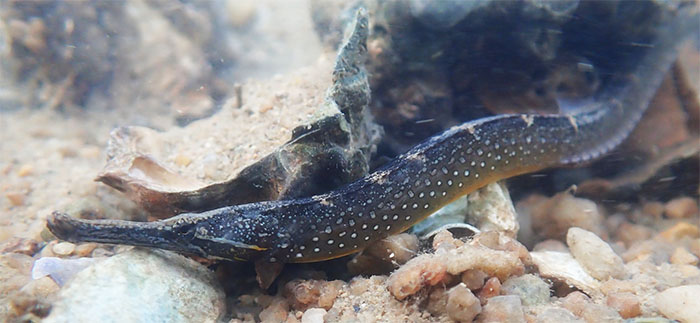 흰점실고기. 수중사진. Underwater photo. Beady pipefish(Hippichthys penicillus. Location/Hong Kong. Author/Tse Chung Yi. Source/inaturalist. (CC BY NC) |
 흰점실고기. 수중사진. 머리와 몸통부(왼쪽). 꼬리지느러미 부분(오른쪽). Beady pipefish(Hippichthys penicillus). Left/ head and trunk, right/caudal fin. Location/Hong Kong. Author/Tse Chung Yi. (CC BY NC) |
 흰점실고기. 등면이 촬영된 수중사진. Underwater photo. Beady pipefish(Hippichthys penicillus. The dorsal side is photographed. Location/Cairns, Queensland, Australia Author/coenobita. Source/inaturalist. (CC BY NC) |
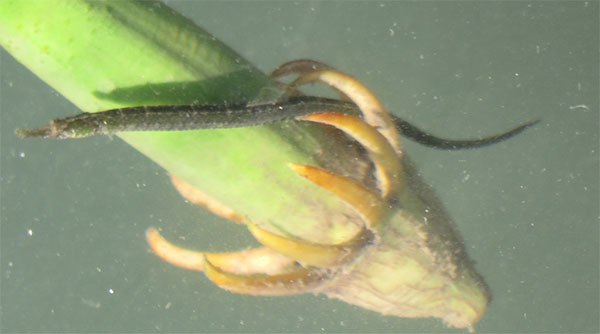 맹그로브 나무에서 떨어져 나온 물체에 붙어 함께 표류하고 있는 흰점실고기. Beady pipefish drifting together, attached to an object that fell from a mangrove tree. In late summer these are common in the floating mangrove material. Location/Cairns, Queensland, Australia Author/coenobita. Source/inaturalist. (CC BY NC) |
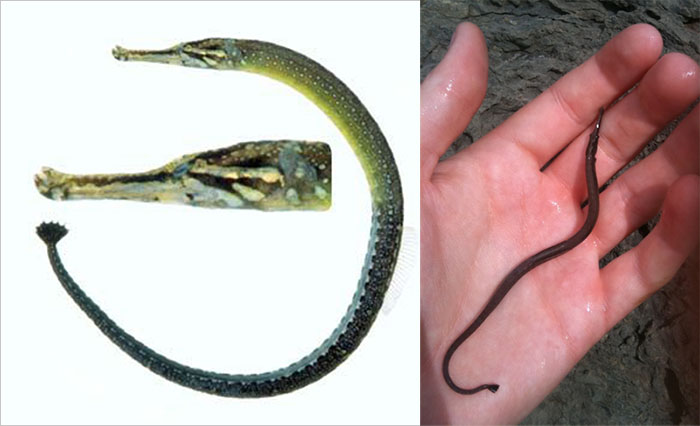 흰점실고기. Beady pipefish(Hippichthys penicillus. Left/Location; Nha Trang, Vietnam. Author/Rick Winterbottom. Right/Location; Indooroopilly, Queensland, Australia. Author/jdobson. Source/inaturalist. (CC BY NC) |
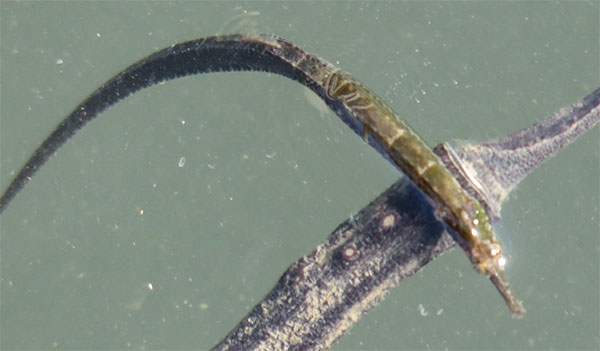 맹그로브 나무 숲에서 떨어져 나온 물체에 붙어 함께 표류하고 있는 흰점실고기. Beady pipefish drifting together, attached to an object that fell from mangrove forest. In late summer these are common in the floating mangrove material. Location/Cairns, Queensland, Australia Author/coenobita. Source/inaturalist. (CC BY NC) |
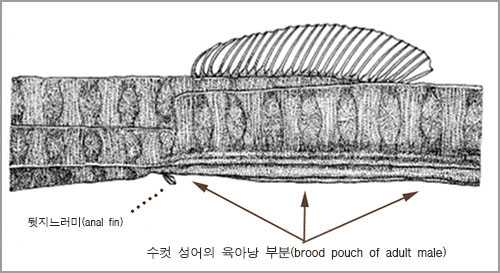 흰점실고기 몸의 체륜과 융기선 및 육아낭 구조를 표현한 그림. 수컷 성어는 알을 붙이기 전 평소에도 꼬리 부분 복부의 알 보관 장소가 주름이 져 있어서 수컷 성어임을 알아볼 수 있다. Illustration of lateral section of body showing the configuration of the rings, ridges & pouch of an adult male Beady Pipefish, Hippichthys penicillus. The males of Hippichthys penicillus can be easily recognized by the prominent fold on the belly which serves as a brood chamber. Source: Dawson (1984). Public Domain |
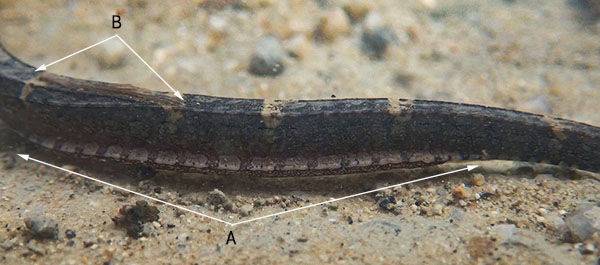 (A) 뉘어 있는 등지느러미(dorsal fin lying down). (B) 꼬리 밑바닥의 육아낭 범위(range of brood pouch at tail bottom). Derived work from the original photo by H.T.Cheng from Hong Kong. (CC BY-NC) |
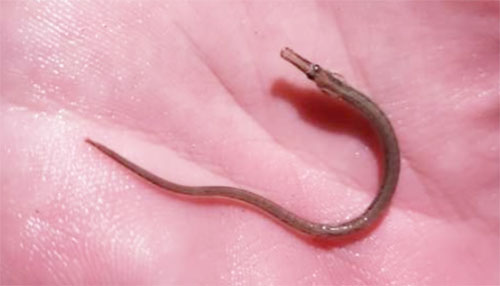 흰점실고기. Beady pipefish(Hippichthys penicillus). Location/southern Korea. Author/이민준(Minjun Lee). Source/naturing.net/. (CC BY NC). |
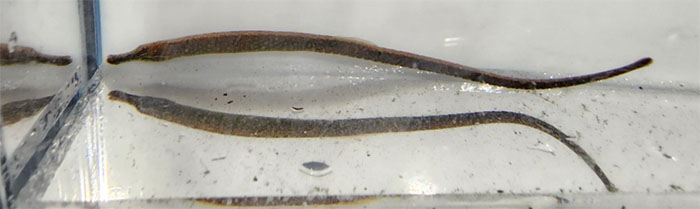 흰점실고기. Beady pipefish(Hippichthys penicillus). Location/Yongho-dong, Nam-gu, Busan, southern Korea, 4m above sea level. Author/이승환(Seunghwan Lee). Source/naturing.net/. (CC BY NC). |
 흰점실고기. Beady pipefish(Hippichthys penicillus). Location/southern Korea, Author/신유신(Sin Yusin). Source/naturing.net/. (CC BY NC). |
 흰점실고기. Beady pipefish(Hippichthys penicillus). Location/southern Korea, Author/mahiru. Source/naturing.net/. (CC BY NC). |


|
| Copyright ⓒ FISHILLUST.COM All rights reserved. All contents can not be used without permission of the copyright holder. |


 검색
