
사이트 로그인
사이트 로그인
|
분류계통/경골상강→조기강→잉어목→종개과→쌀미꾸리(Eightbarbel loach; Lefua costata) Copyright by Kim In Young. 김인영 그림
|
|
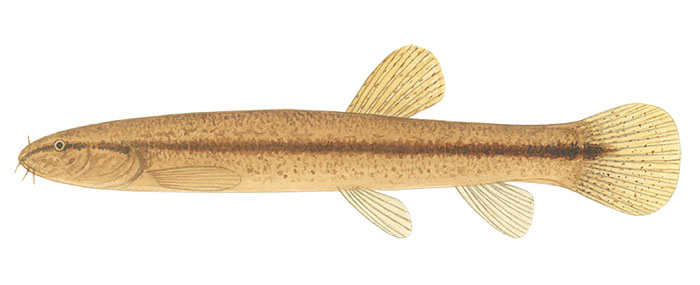
| 쌀미꾸리 수컷의 기본 모습 lateral view of male Eightbarbel loach(Lefua costata) |
|
Copyright by Kim In Young. 김인영 그림
|
|
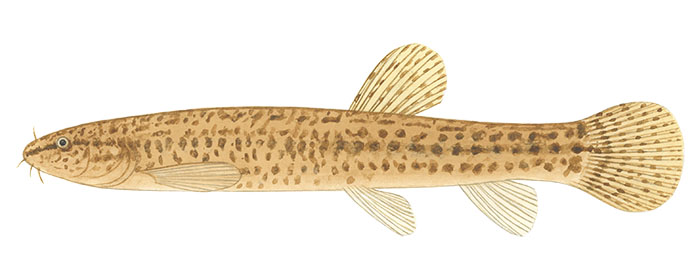
| 쌀미꾸리 암컷 기본 모습 lateral view of female Eightbarbel loach(Lefua costata) |
[담수어] 분포; 아시아/한국의 전 지역, 중국 북부, 몽골, 시베리아에 분포. 일본에서는 이입되어 서식한다. 아래턱은 위턱보다 짧고, 눈은 머리 옆면의 거의 중앙 위쪽으로 붙어 있고 양안간격은 넓고 편평하다. 눈 아래 가시는 없다. 측선은 없다. 비늘은 피부에 묻혀서 찾기 힘들다. 등지느러미는 작고 끝이 둥글며 배지느러미보다 뒤쪽에서 시작한다. 배지느러미는 지느러미 중 가장 작고 뒷지느러미는 등지느러미와 비슷한 모양이나 크기가 약간 작다. 가슴지느러미는 끝이 둥글고 아가미구멍 바로 뒤에 붙는다. 수컷의 가슴지느러미에 골질반이 없다. 꼬리지느러미는 크고 끝이 둥글다. 몸빛깔은 황갈색을 띠고 등쪽이 배쪽에 비하여 짙다. 몸에는 작은 점들이 흩어져 있을 경우가 있고 없는 경우도 있으며 수컷은 주둥이 끝에서 꼬리지느러미의 기점까지 너비가 넓은 검은 줄무늬가 나타나며 암컷에서는 이 줄무늬가 불분명하거나 없다. 등지느러미와 꼬리지느러미에는 불분명한 갈색의 미세한 점이 흩어져 있다. 수심이 얕고, 수초가 무성한 호수, 늪, 농수로의 수초가 무성하고, 바닥이 진흙바닥이며, 유속이 완만한 개울에 서식한다. 먹이는 주로 곤충의 유충, 수생곤충, 갑각류, 식물의 씨앗 등이다. 산란기는 4월 하순∼6월 상순이며 아침에 알을 낳아 물풀에 붙인다. 산란기에는 몸 색이 더 화려해진다. 대한민국의 거의 전 지역에 분포하지만, 태백산맥 동쪽인 영동지방에 더 많이 서식하고 있어 강원도에서는 추어탕 재료를 주로 쌀미꾸리로 쓴다. |
[Freshwater fish] Distribution; Asia/all over the Korean Peninsula, Northern Chian, Mongolia and Siberia. Introduced into Japan. Head slightly depressed. Mouth placed below snout and directed downward. Inter-nostril space broad; posterior nostril placed at the anterior margin of orbit, anterior nostril placed at the middle between snout tip and anterior margin of orbit. With 2 pairs of barbels; one pair in front of nostrils, 3 pairs on upper lip. Lower jaw shorter than upper jaw. Eye located on upper side of head center. Inter orbital space broad and flat. Absent in suborbital spine. Without lateral line. Scales embedded under scale; not seen externally. Dorsal fin small with rounded margin and its’ origin placed behind pelvic fin. Pelvic fin smaller than the rest fins. Anal fin similar to dorsal fin in shape, but slightly smaller. Pectoral fin with rounded margin and placed hard on gill opening. Male absent in lamina circularis in pectoral fin that other congeners usually have. Caudal fin large with rounded margin. Brown in ground color, light ventrally. With scattered small dark blotches on body in some specimens and some other specimens without. A broad dark stripe along the flank from sout tip to base of caudal fin. This stripe is distinct in male and indistinct or absent in females. Small indistinct spots scattered on dorsal and caudal fins. Inhabit weedy mud bottoms in shallow and slow flowing streams in lakes, swamps, farm waterways. Feed mainly on larvae of insects, aquatic insects, crustaceans, and plant seeds. Spawn in April to June. Lay eggs in morning; attach eggs onto water weeds. Body color showy in spawning season. Distributes all around the Korean peninsula, but more abundant in eastern region and used for main materials for Chu-eo-tang(traditional loach soup) in corresponding area. |
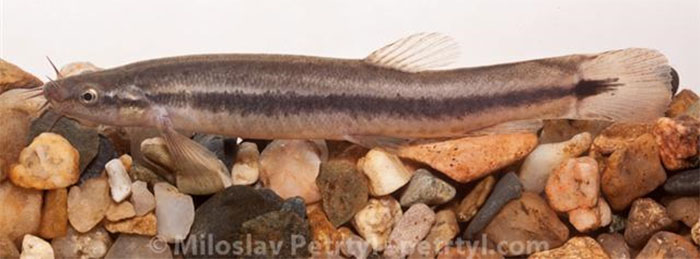 쌀미꾸리 수컷. Male Eightbarbel loach(Lefua costata). Locality; South Korea. Author/Miloslav Petrt(체코인; Country: Czechia) |
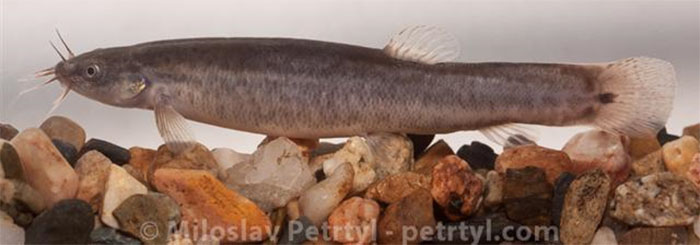 쌀미꾸리 암컷(추정). Female Eightbarbel loach(Lefua costata). Locality; South Korea. Author/Miloslav Petrt(체코인; Country: Czechia) |
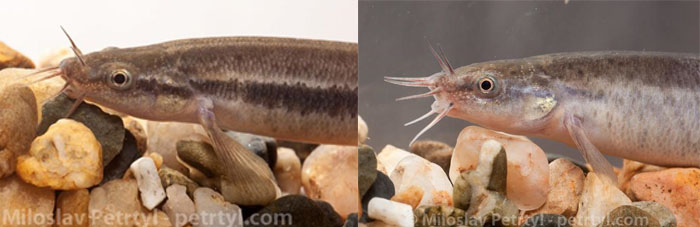 Left/쌀미꾸리 수컷의 머리와 앞몸. Head and anterior body of male Eightbarbel loach(Lefua costata). Locality; South Korea. Author/Miloslav Petrt(체코인; Country: Czechia) Right/쌀미꾸리 암컷(추정)의 머리와 앞몸. Head and anterior body of supposedly female Eightbarbel loach(Lefua costata). Locality; South Korea. Author/Miloslav Petrt(체코인; Country: Czechia) |
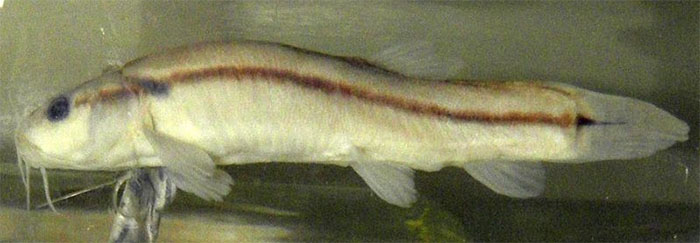 쌀미꾸리. Eightbarbel loach(Lefua costata). Author/A. C. Tatarinov |


|
| Copyright ⓒ FISHILLUST.COM All rights reserved. All contents can not be used without permission of the copyright holder. |


 검색
