
사이트 로그인
사이트 로그인
|
분류계통/경골상강→조기강 →메기목 →메기과→아스리토텔레스메기 Copyright by Kim In Young. 김인영 그림
|
| image on preparing |
| 아스리토텔레스 메기 기본 모습. Lateral view of Aristotle's catfish(Silurus aristotelis) |
[담수어 freshwater fish] 분포; 유럽/그리스 고유종. 다른 한 종인 아리스토텔레스메기(Silurus aristotelis)는 그리스 고유종이며 아켈루스강(Achelous river)과 그 지류 및 그리스 동부의 트리코니다 호(Lake Trichonida)와 서부의 리시마키아 호(Lake Lysimachia)와 암브라키아 호(Lake Amvrakia)에 산다. 1980년대에 마케도니아에 이입되어 몇 호수(Pamvotis, Ioannina and Volvi)에서 살고 있는데 아리스토텔레스메기는 유럽 메기에 비해 크기가 최대 46cm로 작지만 상업적 가치가 있어서 이입된 것으로 보인다. 2000년대에는 불가리아에도 종자 씨로 이입되었고 몇 년 뒤 불가리아 어류군 목록에도 추가되었다. 아리스토텔레스 메기의 몸색은 올리브 그린 색 내지 황갈색이며 배쪽은 희다. 주둥이에는 2쌍의 수염이 달려 있다(위턱 아래턱에 1쌍씩). 유럽 메기의 수염은 3쌍인 점에서 다르다. 뒷지느러미의 연조 수는 아리스토텔레스메기가 67-76 개, 유럽메기가 77-95 개이다. 등지느러미 기조는 아리스토텔레스메기가 가시(극조) 없이 연조만 3개이며 유럽 메기는 극조 1개와 연조 3-5개로 구성되어 있다. 아리스토텔레스메기는 저지대의 강과 영양분이 많은 호수에 살며 주로 야간에 물고기를 잡아 먹으며 갑각류, 복족류, 곤충, 양서류, 물뱀도 먹는다. 산란은 암수 2마리가 모여 진행된다. 수심 2-3m 바닥에 얕게 구덩이를 만들거나 바닥을 정리한 산란장을 만든다. 산란 후 암컷은 떠나고 수컷이 알이 부화할 때까지 둥지를 지킨다(이 사실을 아리스토텔레스가 서술하였다). 알은 5일 경과 뒤 부화된다. 생후 2-3년 지나서 성어가 된다. |
[freshwater fish] Distrtbution; Europe/endemic to Acheloos drainage in Greece. The other species, Aristotle’s catfish(Silurus aristotelis) was reported as endemic to Acheloos River and its tributaries and in the lakes Trichonis, Lysimacheia, Ozeros and Amvrakia in Greece. It was also introduced in the 1980s to the lakes Pamvotis, Ioannina and Volvi in Macedonia, probably because of its commercial importance regardless of its relatively small size reaching in total length up to 46 cm. In 2000s, Aristotle’s catfish was introduced in Bulgaria as a seeding fish from North Greece(Macedonia). Some years later, the Aristotle’s catfish has been assumed as a new species in the Bulgarian ichthyofauna. The dominating coloration of Aristotle’s catfish olive-green to brownish with paler underside. The snout with two pairs of barbels(1 pair on each jaw). In Silurus glanis, there are three pairs of barbels. The number of anal fin ray 67-76 in Silurus aristotelis, while 77-95 in S. glanis. The dorsal fin of Aristotle’s catfish is formed by 3 soft rays without spines, while in S. glanis, it is formed by 1 spine and 3-5 soft rays. Aristotle’s catfish inhabits lowland rivers and nutrient-rich lakes. Feeds at night mainly on fish. Also preys on crustaceans, gastropods, insects, amphibians and aquatic snakes. Spawns in pairs. They dig shallow depressions or clean spawnng substrate, at 2-3 m depth. Male guards the eggs after the female has left, until larvae emerge(This fact was described by Aristotle). Eggs hatch in 5 days. Attains first sexual maturity at 2-3 years of age. |
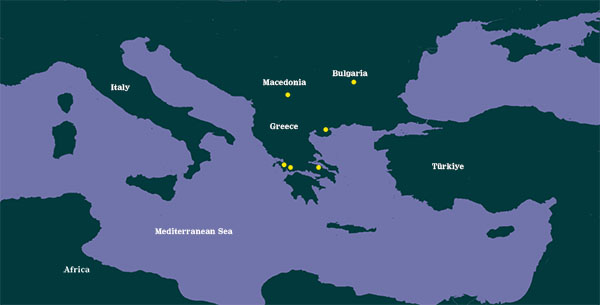 아스리토텔레스메기 분포도. Distribution map of Aristotle's catfish(Silurus aristotelis). Author/fishillust.com |
Aristotle wrote “History of Animals” in the fourth century BC. The book had a powerful influence on zoology for some two thousand years until in the sixteenth century when zoologists including Conrad Gessner wrote their own studies of the subject. The book pictured above is a re-edited version of Aristotle's "History of Animals" by Italian renaissance writer Julius Caesar Scaliger(1484–1558). Published in 1619. Aristotle mentioned in his writings observations of how males and females of Greek freshwater catfish lay eggs and protect their eggs. Right picture/a statue of Aristotle. |
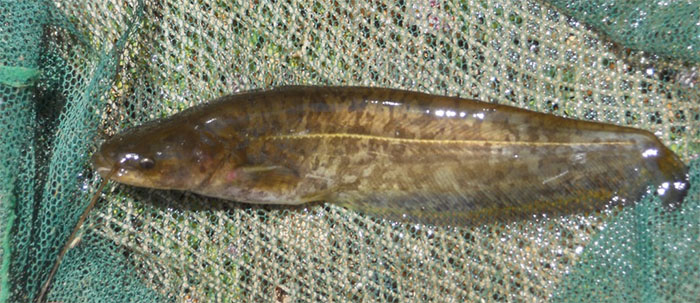 아스리토텔레스메기. Aristotle's catfish(Silurus aristotelis). Location Greece, Kifissos River. Author/Kommatas & Sanda. Source/fishbase.org. |
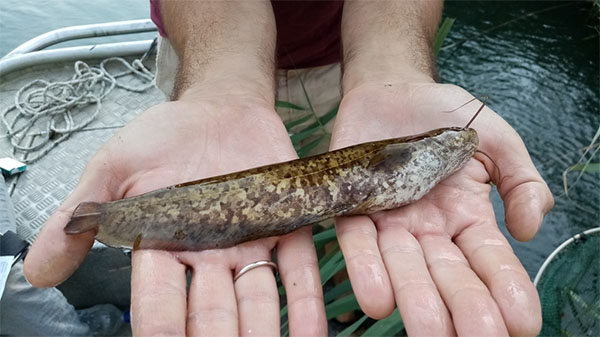
| 아스리토텔레스메기. Aristotle's catfish(Silurus aristotelis). Location Greece, Kifissos River. Author/Kommatas & Sanda. Source/fishbase.org. |
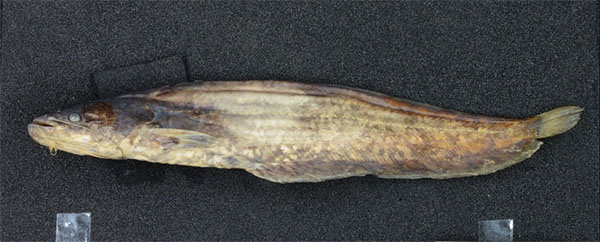 아스리토텔레스메기. Aristotle's catfish(Silurus aristotelis). Location Greece, Kifissos River. Author/Kommatas & Sanda. Source/fishbase.org. |
|


|
| Copyright ⓒ FISHILLUST.COM All rights reserved. All contents can not be used without permission of the copyright holder. |


 검색
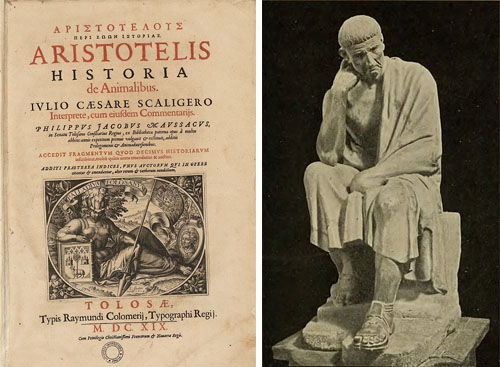 아리스토텔레스는 BC 4세기에 “동물의 역사(History of Animals)”를 저술하였고 이후 16세기에 콘라트 게스너(1516~1565) 같은 동물학자들이 등장할 때까지 거의 2000년 동안 동물학에 큰 영향력을 유지했다. 사진의 책은 르네상스 저술가 이탈리아인 줄리오 체사레 스칼리체르(Julius Caesar Scaliger, 1484–1558)가 아리스토텔레스의 “동물의 역사(History of Animals)”를 재편집하여 설명한 서적이다(1619년 출판). 아리스토텔레스는 그의 저술에서 그리스의 민물 메기 암수컷이 어떻게 산란하고 알을 보호하는지에 관해 관찰한 것을 언급하였다. 우측 사진은 아리스토텔레스의 동상.
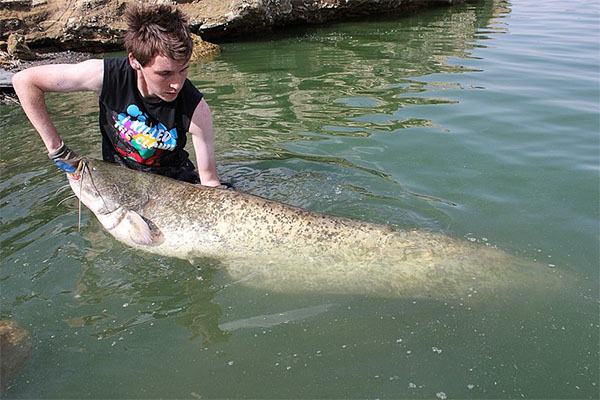 [참고 사진 Reference picture] 유럽의 대형 메기인 웰스 캣피시(Wels catfish). The giant catfish of Europe; Wels catfish(Silurus glanis). Location/Silurus glanis, Rio Ebro, Spain. Author/Joe Pell at Flickr
