
사이트 로그인
사이트 로그인
|
분류계보/경골상강→조기강→잉어목→잉어과→임실납자루(Im-sil bitterling; Tanakia somjinensis). Copyright by Kim In Young. 김인영 그림
|
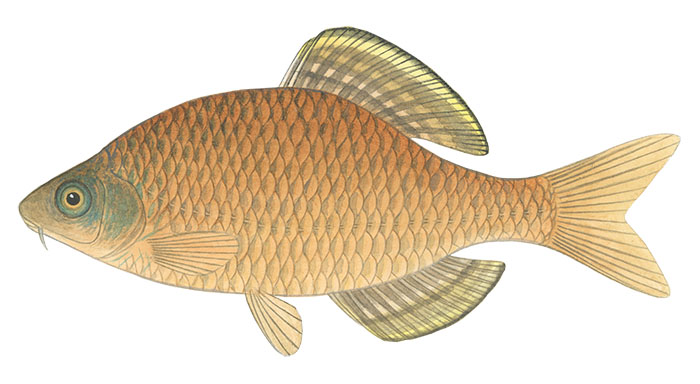 |
| [painting1]. 임실납자루 기본 모습. Lateral view of Im-sil bitterling(Tanakia somjinensis) |
|
Copyright by Kim In Young. 김인영 그림
|
 |
| [painting2]. 산란관을 몸 밖으로 내 놓은 임실납자루 암컷. Female of Tanakia somjinensis with developed spawning duct. |
[담수어] 분포; 아시아/한국의 임실군을 비롯한 섬진강 일부 수계에만 분포한다. 등은 어두운 갈색, 몸 옆은 갈색이며, 배 쪽으로 오면서 연해지며 복부 쪽과 꼬리자루는 황색이다. 등지느러미와 뒷지느러미의 기부에는 중앙에 넓고 검은띠가 있다. 꼬리쪽에 보라색을 띤다. 등지느러미와 뒷지느러미의 가장자리는 완만하게 둥글다. 등지느러미와 뒷지느러미의 가장자리를 따라 검은색 띠가 있으며 안쪽으로 가면서 황색과 흑색무늬가 반복된다. 연조막에는 붉은색은 없고 노란색을 띤다. 산란기 수컷은 혼인색으로 몸 전체가 선홍색이 된다. 하천 중류에서 수심이 깊지 않고 진흙이 깔려있고 수초가 우거진 곳에 서식한다. 잡식성으로 물에 사는 수서 곤충과 부착조류를 먹는다. 산란기는5~6월로 암컷은 산란관을 이용하여 민물조개의 몸 속에 알을 낳는데, 조개의 출수공에 긴 산란관을 집어넣는 방식을 이용한다. 산란기 암컷은 항문에서 긴 산란관이 나온다. 산란관은 회색으로 비교적 긴 편이다. 번식기에 민물조개를 차지하려는 수컷들의 다툼이 심하다. 한국 전라북도 임실지역의 섬진강에서 볼 수 있으며 한국에만 분포하는 한국 고유종이다. 2012년 5월 31일 멸종위기 야생생물 1급으로 지정되어 보호받고 있다. |
[Freshwater fish]] Distribution; Asia/endemic to limited partial area of Somjin River water system of Korea. Dark brown dorsally, light brown side, yellowish ventrally and peduncle. Has a broad dark and yellowish stripe alternatively on mid arear of dorsal and anal fins. A violet hue on caudal fin. Margin of dorsal and anal fin slightly rounded and darkish in color. Membranes of fins yellowish. Nuptial color of males is scarlet all over. Occurs in shallow midstream with mud bottom and rich aquatic plant. Omnivores, feed on aquatic insects and attached algae. Spawn in May and June. Female possesses an long ovipositor tube which is used for depositing eggs inside the bivalves. Insert ovipositor into exhalent opening of bivalves. The ovipositor comes out from anus. Juveniles hatch and stay in the bivalve until they can swim. Males compete seriously in spawning season for occupying the bivalves |


|
| Copyright ⓒ FISHILLUST.COM All rights reserved. All contents can not be used without permission of the copyright holder. |


 검색
